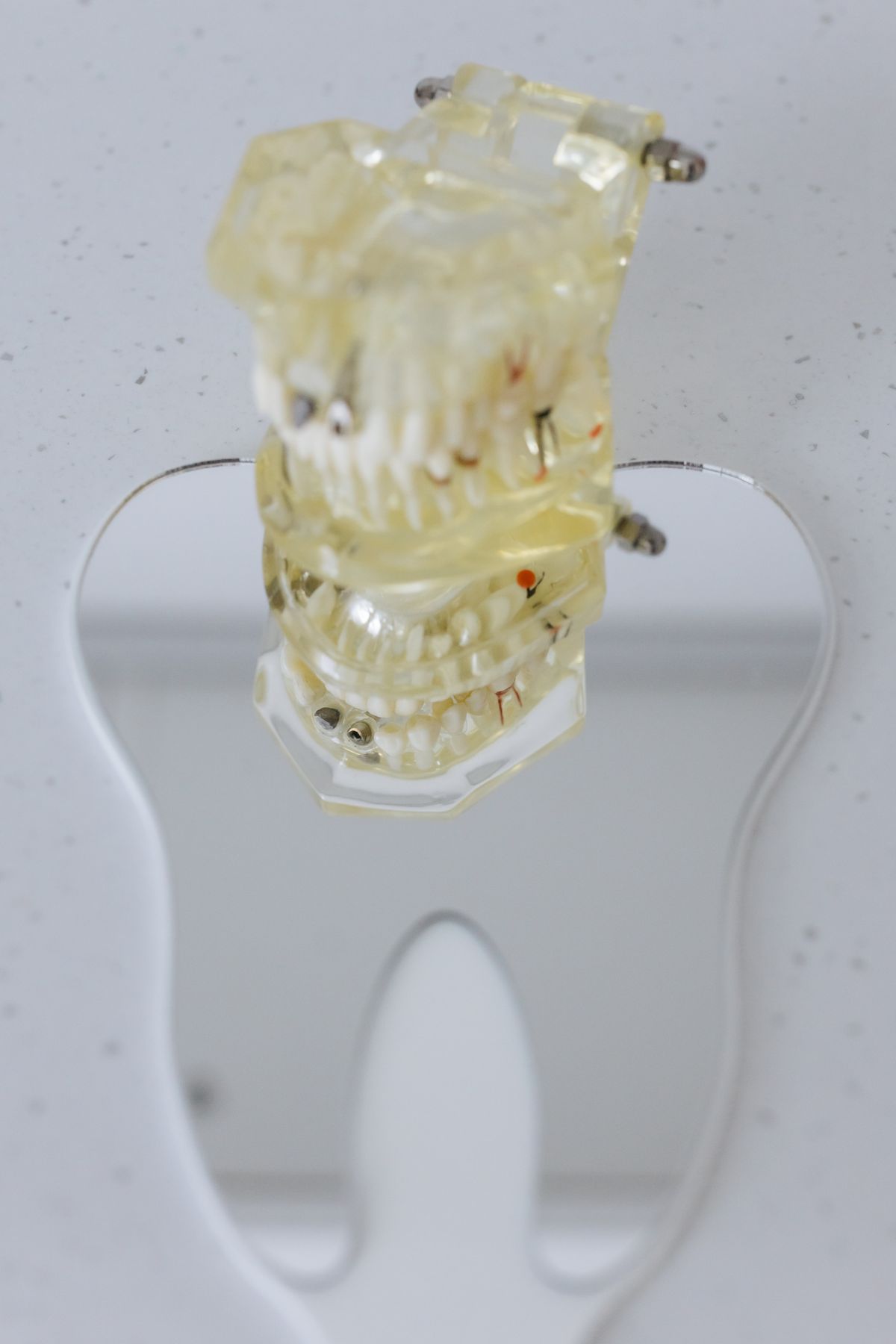
A well-fitting denture makes eating and speaking easier and supports the cheeks and lips.
When you may need it
- Several or all teeth missing
- Old dentures that are loose, broken or painful
- Difficulty chewing food properly
What happens during treatment
- 1
Examination and impressions
We check the gums and remaining teeth, then take detailed impressions.
- 2
Bite and try-in
Your bite is recorded and a trial denture lets you check fit, look and speech before it is finished.
- 3
Delivery
The final denture is fitted and adjusted for comfort.
- 4
Adjustments
Follow-up visits fix any sore spots as your mouth gets used to the denture.
Recovery and aftercare
- Remove and clean dentures daily; soak them overnight.
- Start with soft foods and cut food into small pieces at first.
- Visit if the denture becomes loose or causes sores — do not adjust it yourself.
What affects the cost
The cost depends on your examination findings. Dr. Nath explains the options and the cost clearly before any treatment begins. The main factors are:
- Complete or partial denture
- Denture material, such as acrylic or flexible
- Number of teeth being replaced
Common questions
How long does it take to get used to new dentures?
Most people adjust within a few weeks. Speaking aloud and chewing slowly on both sides helps.